Quantum Computing

Seasoned IT professional with 7+ years of Program & Project Management, Enterprise and Information Architecture, Technical Delivery (IT Manager), IT Service Management, Team Building, Vendor Management, and Technology experience. Solid track record of leading and managing teams and delivering solutions of business value, use of diverse technologies in the fields of Business Intelligence and Enterprise Data Warehouse, Applications, Databases, Web Portals, Infrastructure, Business Products, and various IT solutions.
Quantum computing is a rapidly-emerging technology that harnesses the laws of quantum mechanics to solve extremely complex problems for computers.
Classical computers, which include current-generation smartphones, laptops, and tables, encode information in binary 'bits' that can either be 0s or 1s. When it comes to quantum computers, the approach is a little bit different than classical techniques. In a quantum computer, the basic unit of memory is a quantum bit or qubit. This allows the information to exist in more than one state. a 1 and 0 at the same time.
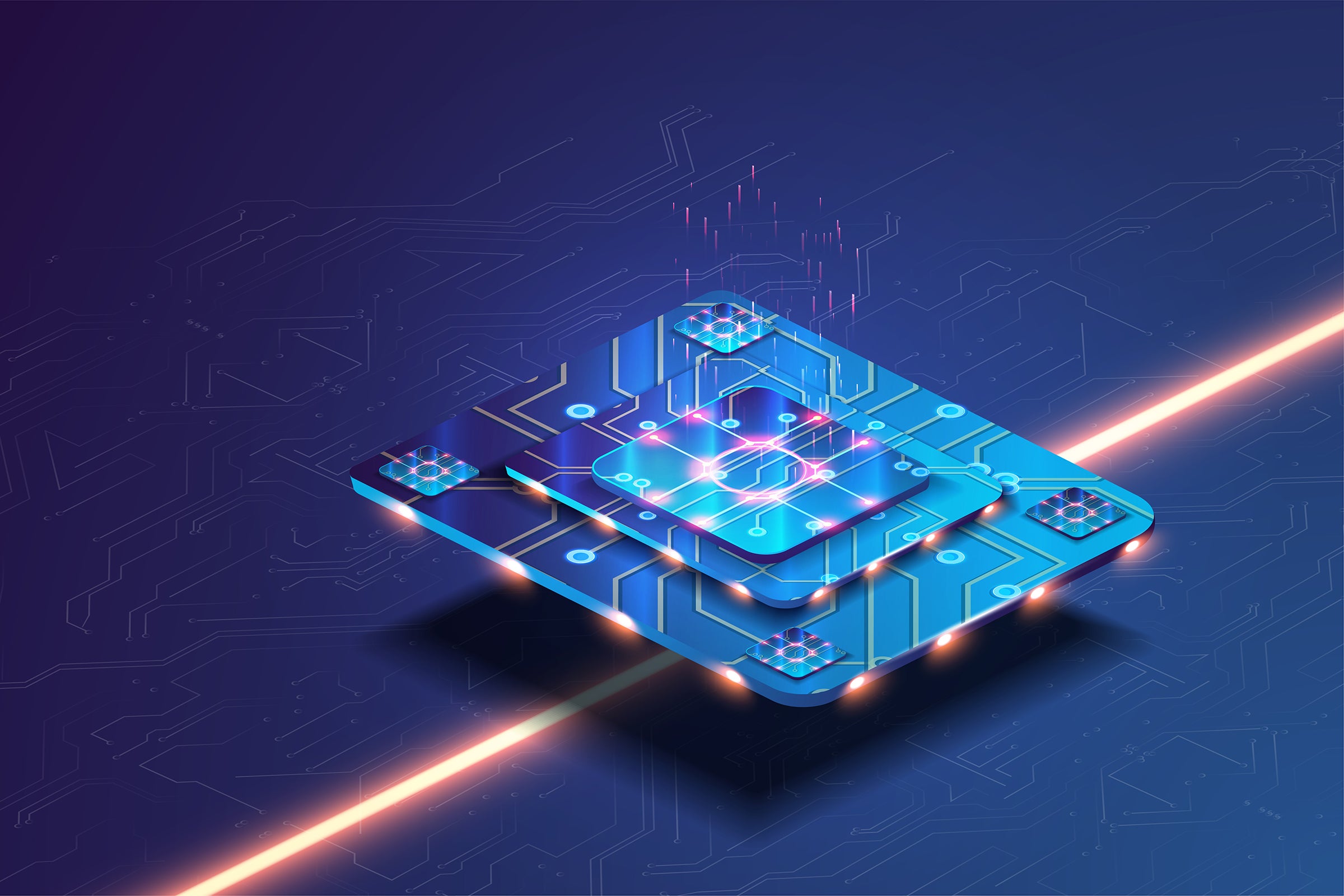
For instance, eight bits is enough for a classical computer to represent any number between 0 and 255. But eight qubits is enough for a quantum computer to represent every number between 0 and 255 at the same time. In principle, a quantum computer with 300 qubits could perform more calculations in an instant than there are atoms in the universe.
Understanding Quantum Computing
Superposition and entanglement are two features of quantum physics on which these supercomputers are based. This empowers quantum computers to handle operations at very fast speeds, much higher than conventional computers and much lesser energy consumption.
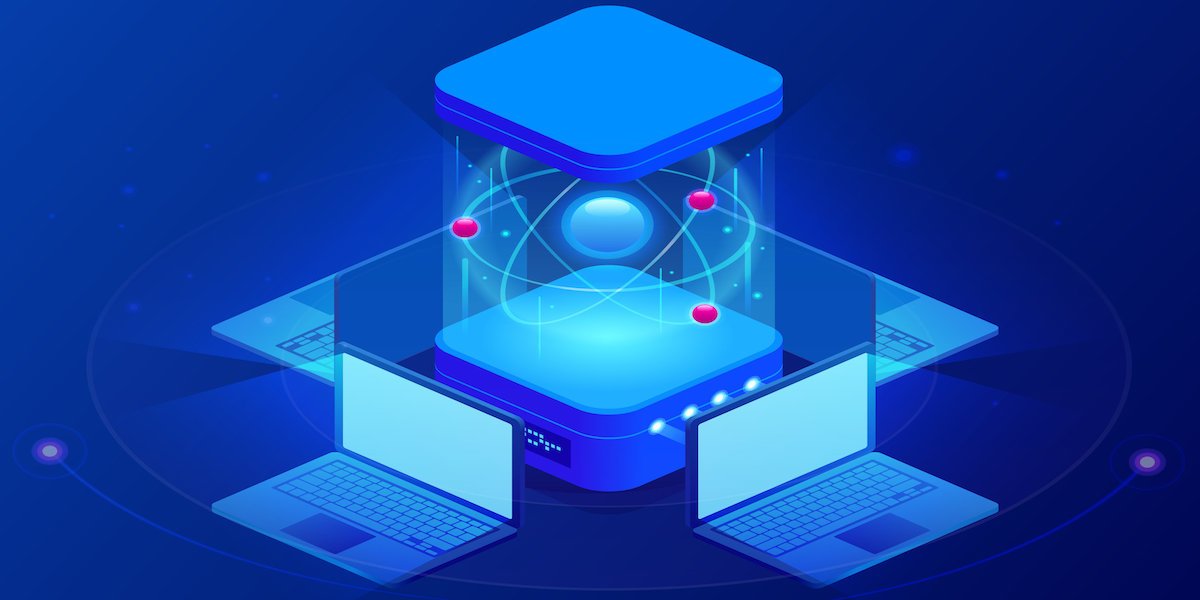
In situations where there are a large number of possible combinations, quantum computers can consider them simultaneously. For example, trying to find the best routes between two places or finding the prime factors of a very large number.
Quantum Computing vs Classical Computing
Quantum computers handle information differently. Classical computers use transistors, which can be either 0 or 1. Quantum computers use qubits, which are capable to be 1 and 0 at the same time. The number of qubits linked together increases the quantum computing power exponentially. Meanwhile, linking more transistors together only increase the power linearly.
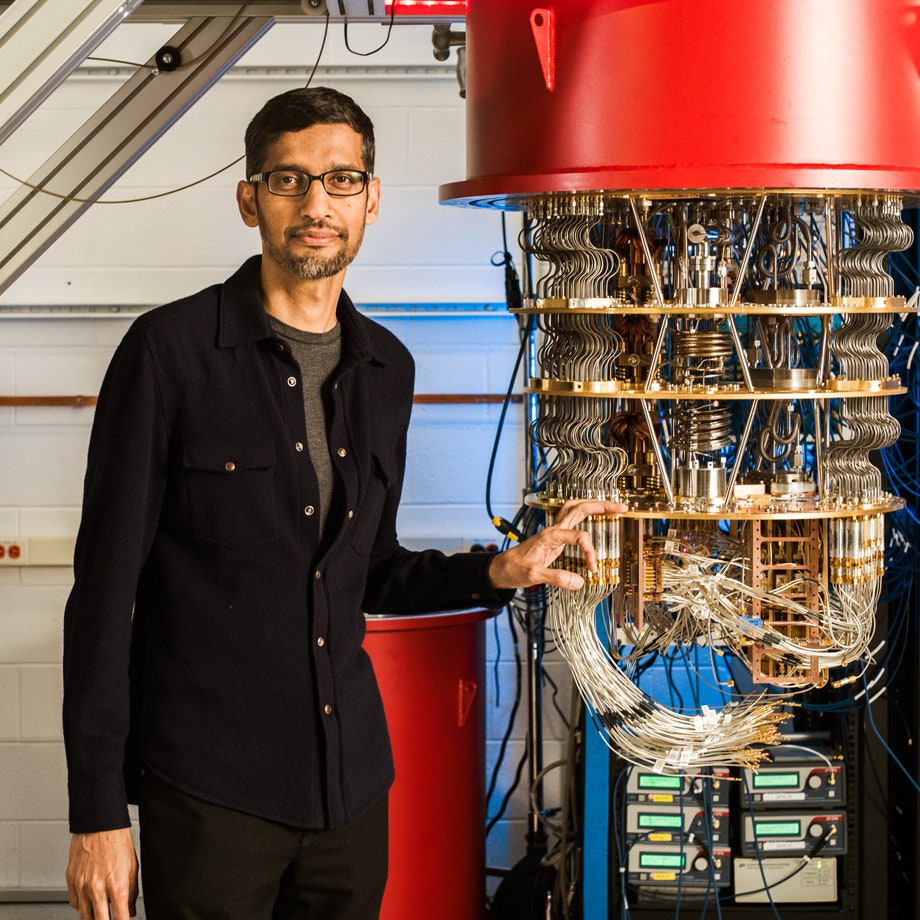
Classical computers are still best for everyday tasks that need to be completed by a computer. Meanwhile, the quantum computer comes in handy for running simulations and data analyses, such as for chemical or drug trials. Quantum processors must be kept in ultra-cold and they are also much more expensive and difficult to build. These computers are developed to solve extremely complicated problems in various areas and they might not run Microsoft word better or faster, because they are built for different goals.
Google investing heavily in quantum computers and it could help to overcome many problems. Such as creating more energy-efficient batteries or speeding up machine-learning training.
These computers have a number of other applications, including securely sharing information. Other methods include fighting cancer and various health concerns, such as cancer, and developing new drugs to cure it. Quantum computers can also help to improve radars and their ability to detect such things as missiles and aircraft. Also, other areas include the environment and using quantum computing to keep the water clean with sensors and chemicals.

Tech giants including Google are spending billions of dollars to build their own quantum computer by 2029. The company even opened a campus to research and develop called Google AI, to help it meet its goal. As well as, Honeywell International (HON) and International Business Machine (IBM). IBM expects to hit major quantum computing milestones in the coming years.
Some companies are trying to develop personal quantum computers, there is still nothing available on the commercial side. And some companies have plans to allow access to their quantum computers via secured networks. Microsoft also offers companies access to quantum technology via the Azure Quantum Platform.
The Bottom Line
Quantum computing is using a different approach from classical computing in how it operates and what it's used for. Quantum computing uses qubits, which can be 1 or 0 at the same time, while classical computing uses transistors, which can only be 1 or 0 at a time. As a result, quantum computing is much more powerful and can be used for many industries, such as big data analysis or simulations, or advanced predictions. However, there has not been a commercially developed quantum computer yet in the market. Quantum computers definitely will play a major role in the future of computing.


